September 8, 2026 Team Contributor
Nearly 3,000 flights were disrupted and around 341,000 passengers affected as volcanic ash swept across Indonesia’s airspace and forced several airports to close. Jakarta has now reopened, but the aviation network faces a measured return to normal as Anak Krakatau remains active.
Jakarta’s Soekarno-Hatta International Airport reopened Tuesday after shifting winds cleared volcanic ash from the area, bringing a cautious return to air travel after two days of disruption. Four other airports also resumed operations, while two remained closed as authorities continued to monitor conditions.
Flights have returned to Jakarta, offering passengers a much-needed reprieve after two days of disruption. Still, the situation remains unsettled as Anak Krakatau continues to erupt and authorities assess whether ash and changing winds could once again interfere with aviation.
Jakarta flights resume after nearly 3,000 disruptions
The disruption quickly reached a remarkable scale. Volcanic ash affected 2,961 flights across Indonesia, including 622 international services, while around 341,000 passengers were left facing delays, cancellations and changes to their journeys.
Authorities are also inspecting 178 aircraft that remained at Soekarno-Hatta during the closure before they return to service. Volcanic ash can damage aircraft engines and other critical systems, making those checks an important part of the restart.
Transport Minister Dudy Purwagandhi said passengers may have to wait as airlines work through the disruption.
“Perhaps it’ll take some little extra time to prepare the planes,” Dudy said.
The disruption has cast a long shadow over air travel, with passengers left navigating cancellations, delays and changing itineraries while airlines work to bring aircraft and schedules back into place. For passengers already caught in the uncertainty of a disrupted journey, the latest developments offer only partial relief.
The fragility of air travel has also been evident in the recent Amazon cargo plane crash in Miami, which caused significant disruption at one of the region’s major airports.
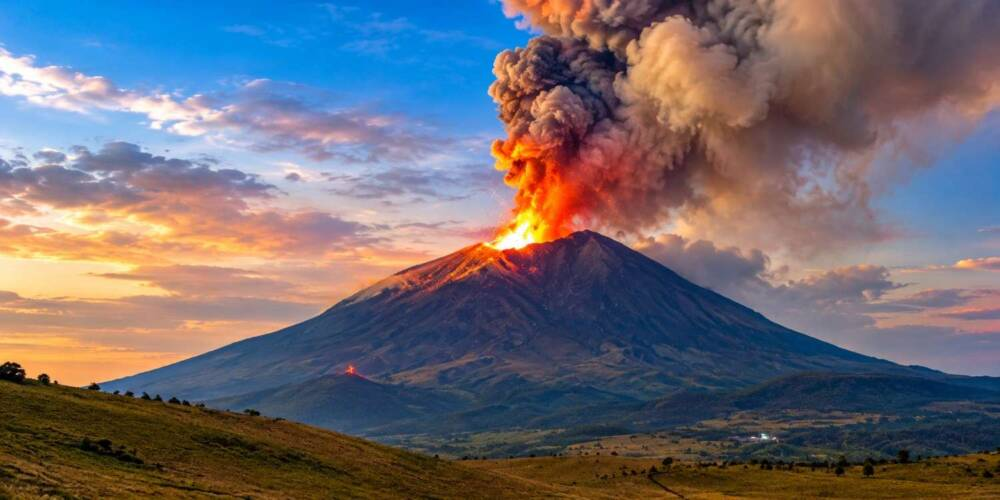
Anak Krakatau is still erupting
The runways are open once again, but Indonesia’s skies remain at the mercy of an active volcano.
Anak Krakatau stirred again on Tuesday morning, erupting three times, although the latest activity was less intense than the earlier eruptions. Authorities said the possibility of further flight disruption depends on the height of the ash and the direction of the wind.
“So far, the impact is not as big as the previous eruptions, but we’ll continue to monitor,” said Lana Saria, head of Indonesia’s geological agency.
The volcano sits in the Sunda Strait between Java and Sumatra. Indonesia has more than 120 active volcanoes and lies along the Pacific Ring of Fire.
What Lies Ahead for Canadian Travellers
Indonesia welcomed 15.39 million international visitors in 2025, showing the scale of the country’s global tourism market.
Canadian travellers should note that there are currently no nonstop flights from Toronto or Vancouver to Jakarta. Most itineraries require at least one connection, meaning a disruption in Jakarta can affect the rest of the trip even when the Canadian departure itself is operating normally.
Canada’s official travel advisory currently tells Canadians to exercise a high degree of caution in Indonesia. Its latest update also includes information about flight disruptions linked to the Anak Krakatau eruption.
Travellers with upcoming journeys should therefore check their airline and every flight segment before heading to the airport.
Canadian travellers are also facing changing conditions in other destinations, including the recent Cape Breton flooding travel warning, another reminder of why checking travel conditions before departure matters.
Indonesia is returning to motion, though its aviation network has yet to regain its usual rhythm. With Anak Krakatau still active and hundreds of aircraft and thousands of disrupted journeys being worked back into the network, passengers should expect schedules to take time to settle.
Related Post:
About the Author