


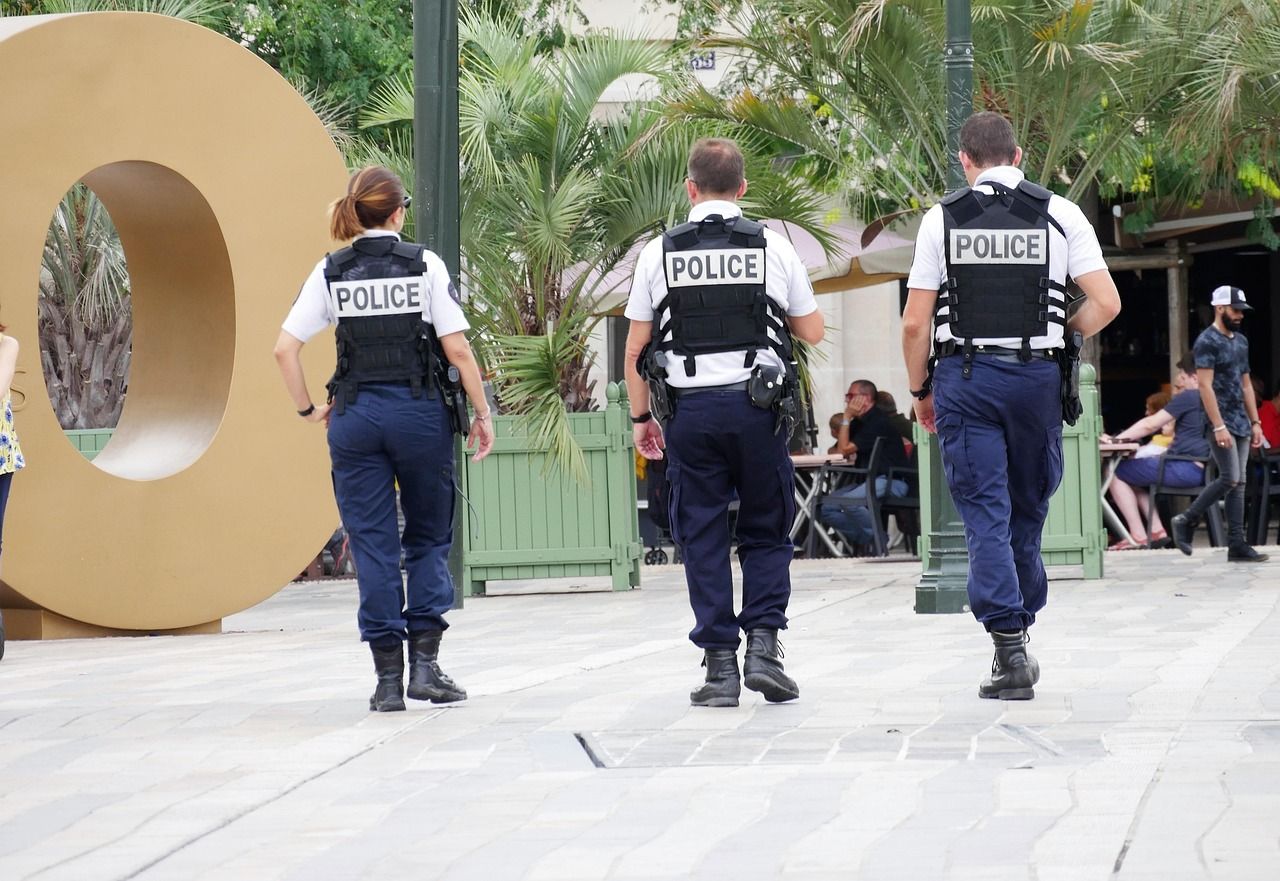
A phone stolen from a home in Murray Bridge, South Australia, led police directly to the thief within hours. The homeowner checked their GPS tracking app and watched in real time as their property moved across town to Hume Reserve. Police arrived at 1:20 PM on a Sunday afternoon and arrested a 45 year-old man.
Three days later, in Laredo, Texas, officers recovered a stolen 2021 Toyota Camry the same way.
The vehicle had been taken from San Antonio and was headed toward the Mexican border when its built in GPS system pinpointed its location on Highway 83. In Gloucester Township, New Jersey, police planted fake packages with GPS trackers inside and caught a 59 year old man stealing one on New Year’s Eve. He walked straight into a trap that had been broadcasting its location since the moment he picked it up.
These cases represent a massive shift in how property crimes get solved. For most of the 20th century, stealing a car meant you had decent odds of getting away with it. Police had to rely on witness descriptions, fingerprints, and old fashioned detective work. Now they just open an app and follow a moving dot on a map.
Canada has been slower to adopt GPS tracking for routine police work compared to the United States, partly because of stricter privacy laws under the Personal Information Protection and Electronic Documents Act. (I think this is actually a good thing, even if it makes catching thieves harder.) But Canadian police forces are catching up fast. The Toronto Police Service reported in 2024 that GPS assisted recoveries of stolen vehicles increased 340 percent over the previous three years. Vancouver saw a 67 percent jump in the same period. Calgary police recovered 89 stolen vehicles in 2023 using GPS data, up from just 12 in 2021.
The numbers get more interesting when you look at conviction rates
Alberta Crown prosecutors reported a 91 percent conviction rate in vehicle theft cases where GPS evidence was presented, compared to 54 percent in cases without it. That 37 point difference represents hundreds of cases each year where technology made the difference between someone walking free or going to jail.
Canadian auto theft statistics paint a grim picture. In 2023, thieves stole 105,000 vehicles nationwide (34 percent jump from 2022) and 38,000 in Ontario alone, with the Greater Toronto Area accounting for nearly half. Insurance companies paid out staggering $1.5 billion in claims. The Insurance Bureau of Canada estimates that GPS equipped vehicles have a recovery rate of 89 percent within 48 hours, compared to 42 percent for vehicles without tracking.
The technology itself is simpler than most people realize. GPS receivers pick up signals from satellites orbiting Earth. By measuring how long each signal takes to arrive, it calculates its position within five meters. The entire GPS satellite constellation cost about $12 billion to build and launch, although the U.S. government offers this service without charge to anyone who owns a receiver. (This always strikes me as one of the better deals humanity has ever gotten from a military program.)
Police departments are getting creative with how they use the technology
The Gloucester Township bait package program represents an ingenious proactive policing tactic. Officers place realistic-looking packages with GPS trackers on porches in high-theft neighborhoods and, when a package is taken, track it and arrest the thief within minutes. The police arrested Brian Pope, 59, on December 31, 2025. The entire operation from theft to arrest took just under three hours.
Montreal police tested a similar bait car program in 2019, leaving vehicles with GPS trackers in high theft areas. During six months of operation, the program resulted in 47 arrests, but civil‑liberties groups criticized it for focusing on low level offenders instead of organized groups. The program ended in 2020.
The organized crime angle is where GPS tracking shows its real value. Police in Canada estimate that 70 percent of stolen vehicles are taken by organized networks operating across provincial borders and internationally. GPS tracking allows police to pursue the stolen car before it vanishes for good.
Ontario Provincial Police recovered a stolen BMW X5 in 2024 by tracking its GPS signal to a shipping container at the Port of Montreal. The container held 17 other stolen vehicles headed for Ghana. All 18 vehicles had been stolen within 72 hours, and were worth about $2.1 million. A total of 12 arrests were made, and a network that had been operating for three years was broken up.
At the moment, the technology is far from perfect
Thieves have learned to look for GPS trackers and disable them. Some use signal jammers that block GPS frequencies, though these are illegal in Canada under the Radiocommunication Act. More sophisticated criminals strip vehicles and part them out right away. The Toronto Police Auto Theft Unit reports that about 18 percent of tracked vehicles are found stripped or burned.
Battery life is another limit. Most consumer GPS trackers need recharging every few weeks. (My own car has a tracker that I have never once checked, which makes me wonder how many people pay for these things and then forget about them entirely.)
Looking ahead, GPS tracking is getting woven into more devices and becoming harder to disable. Apple AirTags retail for $39 and can be stuck to anything you own. Carleton University found that 73 percent of Canadians under 35 use some form of location tracking on their devices, mostly for convenience features like navigation and finding lost phones.
Police currently must obtain a warrant or the owner’s consent to access GPS data. That could change as some departments are seeking expanded authority to track stolen cars, but privacy advocates strongly oppose.
The Edmonton Police Service ran a pilot program in 2023 that highlights both the promise and the problems. They partnered with insurance companies to offer free GPS trackers to owners of frequently stolen vehicle models. The program distributed 3,400 trackers over six months. Police recovered 119 of 127 stolen vehicles within 24 hours, a 94 percent recovery rate.
But here is where things get messy
In 18 of those cases, the GPS signal led police to residential garages where other stolen vehicles were found. Defence lawyers argued that the tracker program was really a backdoor way to conduct surveillance without a warrant. The courts have not fully settled on the subject. The real question is not whether GPS tracking works for catching thieves but what kind of society we want to build. A world where police can track nearly everything that gets stolen is also a world where nearly everything can be tracked, period.
