March 16, 2026 Team Contibutor
With the tightening of oil supplies, a continuing war, and the choking of the Strait of Hormuz, which carries 20 per cent of the world’s oil shipments, airlines are in a tough spot. Back home, the impact is real. Canadians will have to pay more for flights.
Here’s how.
How the Middle East war is driving up jet fuel prices in Canada
US-led attacks on Iran and the destabilising sequence of events have sent down a cascading effect, and it’s likely driving up airline tickets for Canadians as jet fuel prices skyrocket. Jet fuel prices in Canada have surged by approximately 55% to 60% from late February levels.
Airlines are finding it difficult to absorb the increase in fuel prices without passing the costs on to passengers. Some airlines, like Air Transat, have hedging strategies in place to absorb market volatility. It guarantees them a few months of oil procurements at the same price. So 50% of their fuel is hedged.
But that’s not the case with every airline. Porter has reported having no such cushion, making them more vulnerable to these daily spot price swings. And most airlines rarely see it coming. In short, airlines’ budget plans for 2026 are skewed.
The increases are appearing in two ways: direct fuel surcharges (fixed add-on fees) and dynamic base fare adjustments (raising the ticket price itself).
How Canadian airlines are responding to rising airfares
Air Transat has officially added a fuel surcharge of $25 per segment for flights departing from Canada and €15 (approx. $23.50 CAD) for segments departing from Europe. They are also raising base fares on peak dates and routes where they face less competition.
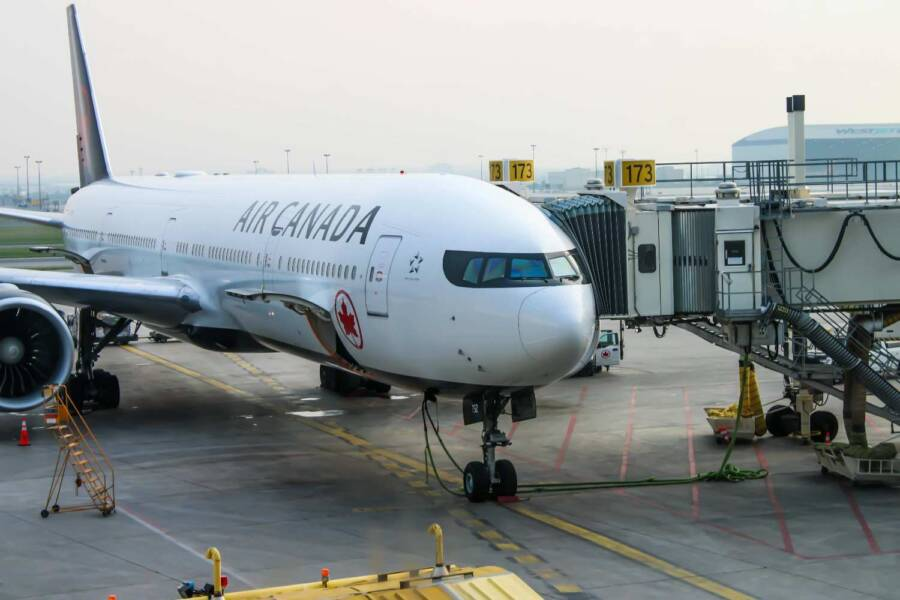
Air Canada has stated that pricing is being adjusted to reflect higher costs. Transatlantic economy fares have increased compared to late 2025 levels, though the airline has not publicly confirmed specific per-ticket figures.
Peter Fitzpatrick, spokesperson for Air Canada, on March 11 said: “All airlines are subject to the current volatility… pricing has been and continues to be adjusted to reflect these higher fuel costs while delivering the reliable service and network Canadians depend on.”
WestJet acknowledged that the surge has significantly increased operating costs and indicated that further pricing adjustments are likely as the situation in the Middle East evolves.
As for Porter and Flair, both carriers are currently monitoring the situation closely but have not yet announced specific across-the-board surcharges.
Fuel typically accounts for 25% to 40% of an airline’s operating expenses. Analysts on global affairs suggest the price could well go up to an extra $100–$150 one way, if the situation doesn’t de-escalate.
International airline surcharges
If you are booking international travel, the increases are often more pronounced. Cathay Pacific has doubled the Canadian surcharge from $101 to $202.60 CAD, effective March 18, 2026. Air New Zealand, Australia’s Qantas Airways, Air India, Hong Kong’s Cathay Pacific, and Scandinavia’s SAS have also announced surcharges as a result of the jet fuel price surge.
Summer flight prices Canada 2026-What to expect
Aviation analysts expect that if fuel prices remain at these levels, travellers may see total price increases of:
- $50–$100 for domestic one-way flights
- $100–$200 for one-way flights to Europe
- $300–$400 for one-way flights to Asia
Experts are currently advising travellers to book summer flights now, as tickets purchased today are generally not subject to retroactive fuel surcharges — though any future changes to the itinerary would trigger the new pricing.
Related Post:
About the Author