April 13, 2026 Team Contributor
Travelling to Europe in 2026 is becoming more expensive, and not just because of flights or hotels. Across major destinations, Europe tourist taxes 2026 are rising, adding new costs for visitors at both accommodation and attraction levels.
For Canadian travellers, this shift is already showing up in total trip budgets.
Where costs are increasing the most
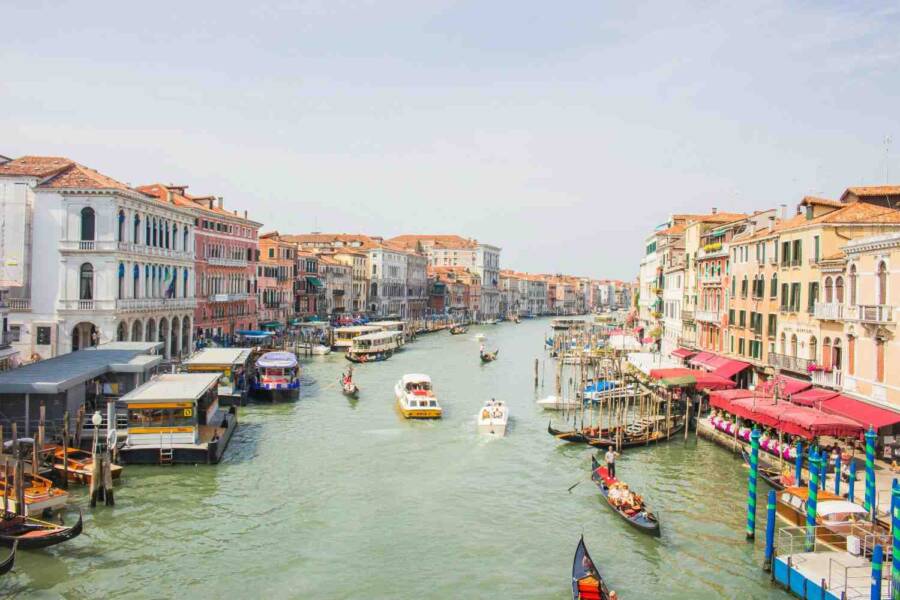
Italy can be seen as the most aggressive example, as it’s charging both stay taxes and entry fees. Cities like Venice get nearly 30 million visitors per year, mostly day-trippers. No trip is complete without the star attraction, Venice. But now it comes with an overnight tax of €1–€5 per night and a mandatory entry fee (€5–€10) for day visitors.
It’s not unlikely that multiple cities may copy Venice’s model. In Rome, you may have to pay an accommodation tax ranging from €7.50 to €10 per night (at luxury hotels). Access to the Trevi Fountain would cost you €2. We analyzed and found the range could be €1 to €15+ per night, depending on the city & hotel.
Similarly, France has tiered pricing by hotel class, with sharp hikes at the top end. Spain has other reasons. Spain is actively raising caps due to housing pressure and protests over overtourism.
A moderate increase has been registered in Portugal, but more cities are adopting taxes. Here, the top museums and monuments now charge €10–15 per adult, up from €5–8 previously.
Why European cities are raising tourist taxes
Governments are framing these changes as part of a broader sustainable tourism strategy.
Revenue from tourist tax Europe policies is being directed towards:
- Infrastructure upgrades
- Heritage site maintenance
- Waste management and public services
- Managing overcrowding in high-traffic zones
The goal is simple. To discourage ultra‑short, high‑volume day‑trips and to shift some of the cost onto visitors rather than residents.
For example, Venice’s day‑tripper fee, Barcelona’s doubled overnight tax, and Italy’s nationwide hike on tassa di soggiorno are all justified as part of a sustainable‑tourism strategy.
What this means for Canadian travellers
An estimated 3 to 5 million Canadian tourists travel to Europe each year, making it one of the most popular long-haul regions. Canadian travellers spent an average of $2,435 per trip in Europe in 2025 (averaging 13.2 nights).
While fees are higher, they aren’t stopping travellers. In fact, air capacity from Canada to Europe (especially to Paris and Rome) grew by over 7% in 2025 to meet the growing demand.
Should higher costs change your plans
For most travellers, these added costs are incremental rather than prohibitive.
However, they do add up. A combination of nightly taxes, entry fees, and dynamic pricing means the cost of travel to Europe in 2026 is becoming more layered. Starting in late 2026, Canadians must pay a €20 fee for an electronic travel authorization (ETIAS). This is similar to what the UK has in place- the ETA.
Planning ahead, budgeting for local taxes, and understanding city-specific charges will help avoid surprises.
Europe isn’t becoming less accessible. It might be setting itself on a path to become more structured in how it manages tourism.
Related Post:
About the Author