May 15, 2026 Team Contributor
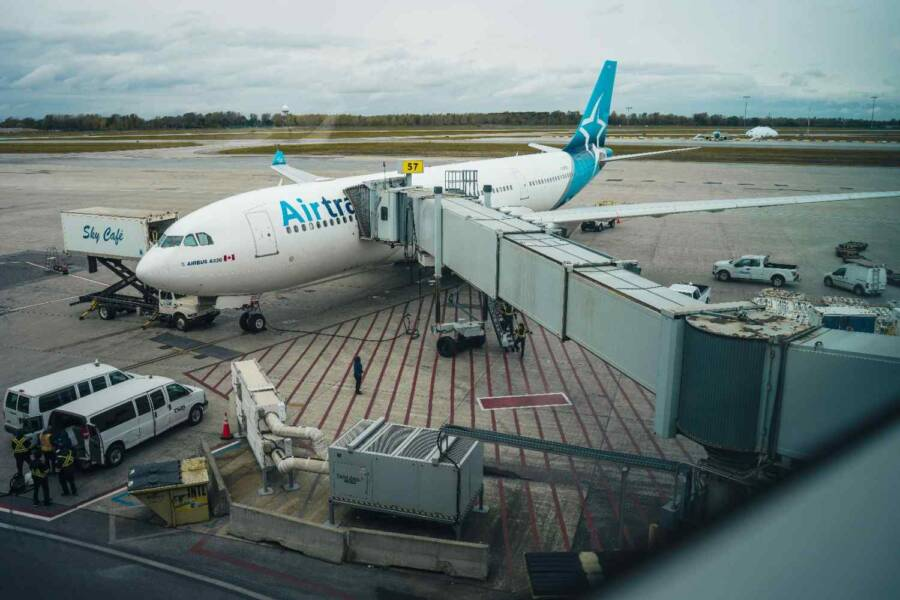
Canadian travellers could face steeper airfares and fewer flight options this summer as rising jet fuel costs ripple across the airline industry.
Montreal-based Air Transat says the prolonged closure of the Strait of Hormuz has intensified volatility in aviation fuel markets, putting significant pressure on its operating costs.
The airline estimates the surge added approximately $70 million in extra costs in March and April alone, representing an increase of more than 75 percent compared with the same period in 2025.
To limit the impact, Air Transat has introduced fuel surcharges on new bookings and reduced its planned capacity by about 6 percent from May to October 2026. These changes mirror measures adopted by airlines worldwide as they respond to elevated fuel prices and geopolitical uncertainty.
For Canadians monitoring airfare trends and airline travel warnings, the update is a clear sign that global events are affecting holiday budgets and route availability.
Air Transat noted that fuel surcharges had only a limited effect on revenues in March and April because many trips had already been booked before the crisis began. Even with existing hedging instruments, the company says surcharges may only partially offset higher jet fuel costs in the months ahead.
President and CEO Annick Guérard said the situation is unfolding under “exceptional circumstances affecting the industry on a global scale.” She added that, alongside the previously announced suspension of Air Transat’s Cuba flight program until November 2026, the financial impact remains material.
What this means for travellers
The takeaways are clear, as the problem built up all this while the war escalated.
- Higher fares due to fuel surcharges
- Fewer available seats on select routes
- Possible schedule adjustments
- Greater attention to airline updates and official travel warnings
With energy markets under strain, jet fuel has become one of the biggest forces shaping Canadian travel in 2026.
Related Post:
About the Author