April 24, 2026 Team Contributor
The sharp rise in jet fuel prices, driven by geopolitical tensions and the closure of the Strait of Hormuz, has disrupted global energy markets and industries.
With jet fuel costs doubling (between February 27 and March 6) following U.S.-Israel strikes on Iran, many Canadian airlines are now adjusting networks at scale, suspending select routes, reducing capacity, hiking fares, and restructuring schedules to contain operating losses.
The result is a noticeable suspension of flight availability across domestic and international destinations. Due to this unprecedented airline fuel crisis, many airlines have made significant changes to their services.
Air Canada suspends routes across key markets
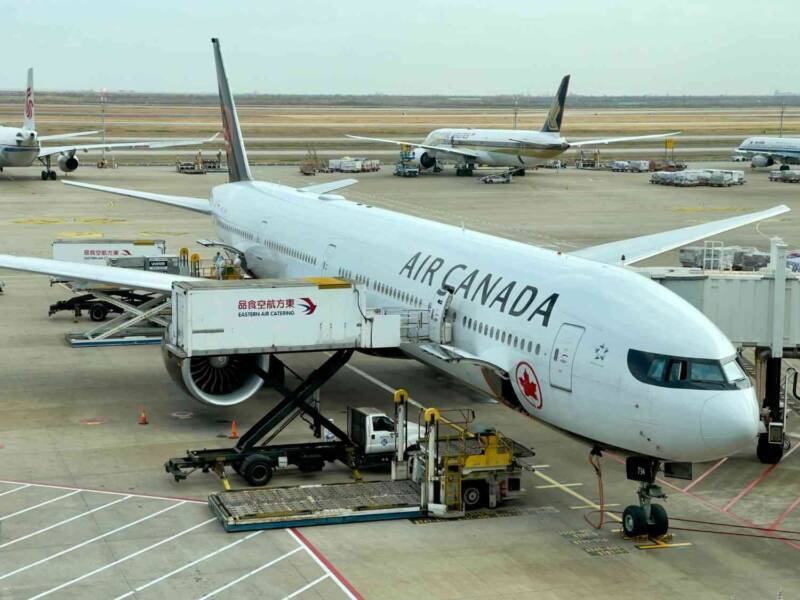
Air Canada has suspended six routes, across domestic, transborder, and international sectors.
- Domestic connectivity has been withdrawn between Fort McMurray–Vancouver and Yellowknife–Toronto
- Planned expansion on Guadalajara–Montreal has been entirely paused
- Temporary suspensions affect Toronto–JFK and Montreal–JFK and Salt Lake City–Toronto flight services, which is expected to resume in 2027
These changes highlight that even short-haul, high-demand routes are being reshaped under cost pressure, rather than only low-performing segments.
Transat reduces capacity amid long-haul pressure
Montreal-based Air Transat, through its parent company, has cut overall capacity by 6%, signalling a strategic pullback on lower-performing routes. This has led to:
- Reduced frequencies of flights between Europe and the Caribbean
- Suspension of flights to Cuba has been extended until October 2026
The schedule adjustments reflect growing pressure on leisure-heavy networks, where rising aviation fuel costs exhibits a stronger impact on pricing and margins.
WestJet streamlines summer schedule
WestJet is consolidating operations on lower-demand routes and revising its summer network.
Rather than outright cancellations, the Calgary-based airline is focusing on frequency reductions and schedule optimisation, indicating a more measured response to jet fuel price surge.
Lufthansa cuts European short-haul network
Internationally, Lufthansa has cancelled around 20,000 short-haul flights across Europe, including routes from Frankfurt to Bydgoszcz, Rzeszów, and Stavanger.
The move reflects broader industry-wide efforts to reduce fuel burn and stabilise operating costs.
What this means for travellers
The impact of Canadian airlines’ service cuts on passengers extends beyond cancellations. Travellers worldwide are increasingly facing higher fares, fuel surcharges, and reduced flexibility in routing options.
Even if fuel prices stabilise in the future, airfares are likely to remain high as airlines continue to operate with reduced capacity and adjusted schedules.
Related Post:
About the Author