May 8, 2026 Team Contributor
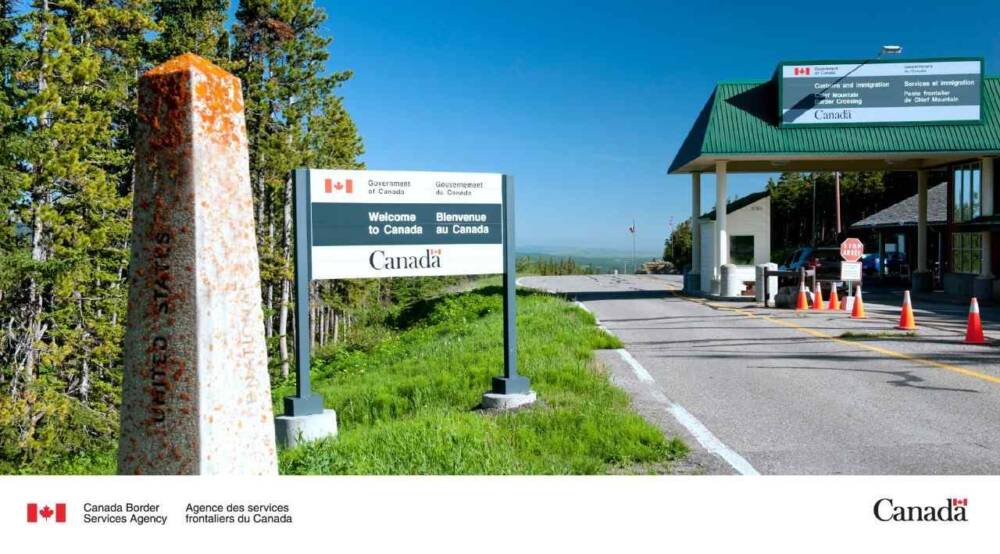
The Chief Mountain port of entry, one of the most scenic and highest border crossings in the country, will officially reopen for the 2026 summer season on May 15, the Canada Border Services Agency (CBSA) has confirmed.
Located along Highway 6 on the edge of Waterton Lakes National Park in Alberta and Glacier National Park in Montana, the seasonal Canada border crossing sits at an elevation of 5,649 feet. Because of extreme winter conditions and heavy snowfall, the crossing only operates from May through September each year.
Border Crossing Hours of Operation (Mountain Daylight Time)
- May 15 – May 31, 2026: 9 a.m. to 6 p.m.
- June 1 – Sept. 7, 2026: 7 a.m. to 10 p.m.
- Sept. 8 – Sept. 30, 2026: 9 a.m. to 6 p.m.
The CBSA is encouraging travellers to arrive prepared with valid travel documents to help speed up processing times at the border. Officials are also advising travellers to review Canadian regulations before travelling with firearms or restricted goods.
The reopening is expected to support another strong season for summer travel in Canada, especially for travellers planning cross-border road trips through the Waterton-Glacier International Peace Park region. During the 2025 summer season, the CBSA welcomed more than 56,000 travellers through the crossing.
Quick Facts
- Canada’s “Chief Mountain Port of Entry” will reopen for the 2026 summer travel season from May 15 through Sept. 30, helping reconnect travellers between Alberta and Montana.
- The reopening also resumes seasonal reporting services at nearby Waterton Lakes Park, where travellers entering Canada by small private boats can report to border officials by phone. Boaters are advised to review CBSA reporting rules before travelling.
- Travellers can check the latest border and operational updates through the CBSA Directory of Offices and Services.
- Whether travelling by land, air, or water, visitors are encouraged to carry all required travel documents to help reduce wait times and speed up border processing.
- The CBSA continues to advise travellers against carrying firearms across the border and encourages visitors to review Canada’s import rules for restricted goods as part of broader efforts to strengthen border security. Those travelling with firearms or restricted goods should review official import regulations on the CBSA website before departure.
- During 2025, the Prairie Region processed more than 1.2 million travellers while intercepting 70 illegal firearms and over 855 prohibited weapons.
- Canada is investing $1.3 billion to strengthen border security and modernize immigration systems under the federal government’s Border Plan.
- Additional traveller support and crossing information is available through CBSA Border Information Services.
Important Links
Related Post:
About the Author