June 4, 2026 Team Contributor
As Cuba plunges into crisis with new US sanctions choking life and economy, its ailing tourism will receive another blow. The once bustling streets of Havana wear a deserted look, while hotels and resorts are making a quiet, unceremonious exit.
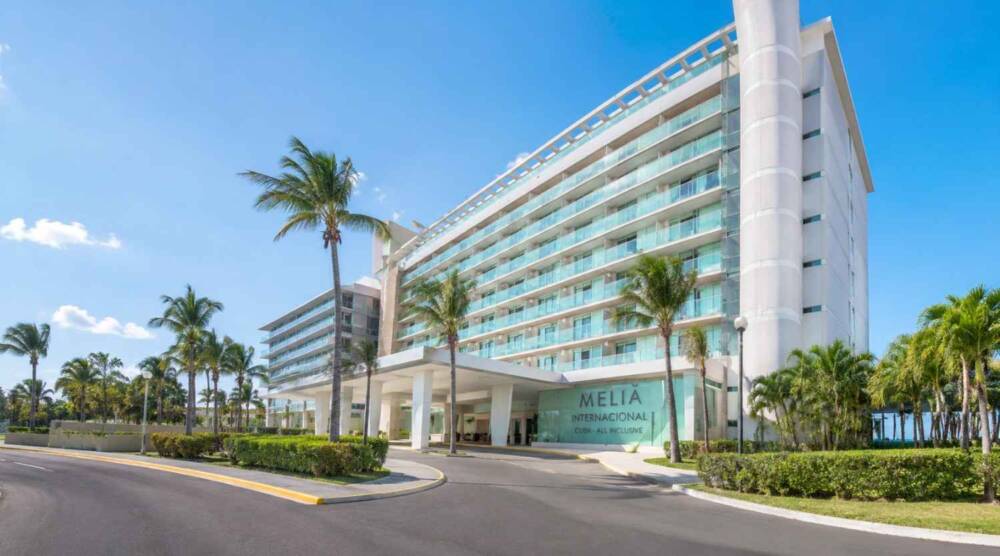
Spanish hotel group Meliá is the latest one to draw the curtains on 15 of the 34 hotels it manages on the island.
The popular hotel chain has some 14000 spread across 34 properties throughout the country. This comes close on the heels of other popular hotel chains, the Canadian-owned Royalton, Spain’s Iberostar and Archipelago International under its Aston brand, shrinking their operations recently.
What’s behind the exit of Meliá?
Cuba’s tourism began to decline after the oil embargo hit the island in early January 2026. Adding to the woes, US President Donald Trump on May 26 signed an executive order imposing additional sanctions targeting Grupo de Administración Empresarial S.A. (GAESA), the business arm of the Cuban Revolutionary Armed Forces formed in the 1990s, citing it as a security threat.
The decision has wider ramifications. GAESA runs a number of businesses, from car rentals to retail stores, and is also a partner of Melia through one of its subsidiaries, Gaviota. Through the tourism company Gaviota S.A., the military conglomerate GAESA owns at least 120 hotels in Cuba.
As the sanctions come into force, hotels are looking to mitigate legal risks associated with them. Though none of the departing hotels link the decision to US sanctions. The Meliá hotels have been a significant player in the Cuban hospitality sector since the 1990s.
The confirmation to cease operations came on Wednesday. As tourism demand plummeted, it became financially unviable for the management to continue operations.
Meliá Hotels International has made a formal announcement to Spain’s National Securities Market Commission.
Through its Portuguese subsidiary, Ilha Bela, the company is taking immediate action. It will terminate all management, marketing, and brand-use services. This applies to all hotels linked to entities controlled by GAESA. Forbes España confirmed this development.
Here is the list of properties formerly managed by Meliá in Cuba, categorized by their location to provide better context for the recent operational closures:
Havana
· Gran Hotel Bristol Habana Vieja (Member of The Meliá Collection)
· INNSiDE Catedral Habana
Varadero
· Meliá Península Varadero
· Paradisus Varadero
· Sol Caribe Beach
· Sol Varadero Beach
Cayo Santa María & Environs
· Meliá Buena Vista
· Meliá Cayo Santa María
· Meliá Las Dunas
· Paradisus Los Cayos
· Sol Cayo Santa María
Other Locations
· Meliá Jardines del Rey (Cayo Coco)
· Paradisus Princesa del Mar (Varadero)
· Paradisus Río de Oro (Holguín)
· Sol Río de Luna y Mares (Holguín)
The wider impact of hotels shutting down
Reports tell that families are now almost entirely dependent on wood fires and charcoal for survival. The exit of hotel chains after another is a huge blow to the Cuban economy, reeling from a seemingly never-ending fuel crisis, as it will lead to more job losses.
In March 2026 alone, international tourist arrivals plummeted by 82% compared to the same month in 2025. Add to it the broken connectivity, as at least 11 major airlines have suspended or significantly reduced flights to the island, citing the inability to refuel (Jet A-1 fuel) at Cuban airports.
It won’t be an exaggeration to say the Cuban tourism sector is currently in a state of precipitous collapse, driven by the intersecting crises of fuel shortages, the national power grid’s failure, and the intensifying U.S. sanctions regime.
Related Post:
About the Author